


Septic Inspections That Help You Avoid Expensive Surprises
A septic system can have serious issues hidden underground. That’s why a septic system inspection is important. On Grade Septic provides septic inspection services for homeowners, buyers, sellers, builders, and property owners who need a clear understanding of an existing septic system.
A septic inspection can help identify the location, condition, accessibility, and potential concerns of the system before a problem becomes more expensive. Whether you are buying a home, preparing to build, planning an addition, or want to confirm the status of an older system, an inspection gives you crucial information.
Septic systems are easy to overlook until something goes wrong. A septic inspection helps bring those underground details into the light.
When Should You Schedule a Septic Inspection?
A properly installed septic A septic inspection can be valuable in several situations. Some customers schedule one because they already suspect a problem. Others schedule one before making a major property decision.
You may need a septic inspection if:
- You are buying a home with a septic system
- You are selling a property and want to understand the system first
- You are planning to build a garage, addition, driveway, or outbuilding
- You do not know where the tank, lines, or lateral field are located
- The system is older and has not been checked in years
- You notice slow drains, odors, soggy areas, or backups
- You want to avoid building over or damaging septic components
A septic inspection is often a smart step before any project that changes the property in a significant way.

Septic Inspection Before You Build
One of the biggest mistakes property owners can make is building before they know where the septic system is located. Tanks, lines, and lateral fields need to remain accessible and protected. If a structure is built over a septic tank or heavy equipment crushes a line, the repair can become much more complicated than it needs to be.
Before building a garage, home addition, driveway, patio, or other major improvement, a septic inspection can help identify where the system is and whether the project may interfere with it.
This is especially important on properties where the available records are old, unclear, or incomplete. A map may show where a system was expected to be, but that does not always mean every component is exactly where the paperwork says it is. A septic inspection helps reduce the risk of costly surprises.
Septic Inspection for Home Buyers and Sellers
Buying a home with a septic system is different from buying one connected to municipal sewer. The septic system is a major part of the property, and its condition can affect future costs, maintenance, and negotiations.
For buyers, a septic inspection can help answer important questions before closing:
- Where is the septic tank located?
- Is the tank accessible?
- Are there visible signs of concern?
- Are there backups, odors, or drainage problems?
- Could repairs be needed soon?
For sellers, a septic inspection can provide useful information before listing or during the sale process. Knowing the condition of the system ahead of time can help reduce surprises during negotiations.
What We Look for During a Septic Inspection
Every property is different, but a septic inspection generally focuses on understanding the system and identifying visible or practical concerns.
Depending on the property and situation, we may look at:
Septic Tank Location and Access
The tank needs to be located and accessible for pumping, maintenance, repairs, and future inspection. If the tank is difficult to find or blocked by a structure, that can create major problems later.
Lines and System Layout
Understanding where lines run helps protect the system from damage. This is especially important before building, grading, installing a driveway, or bringing heavy equipment onto the property.
Visible Warning Signs
Wet areas, odors, unusually green grass, sinkholes, soft ground, or signs of backup can all point to potential septic issues.
Age and Condition Concerns
Older systems may have concrete tanks, aging pipes, or components that need closer attention. A septic inspection can help identify concerns that may require repair or replacement.
Property Use and Future Plans
A system that works today may still need to be considered carefully if the property owner plans to build, expand, or change how the land is used.


Our Septic Inspection Process
We keep the inspection process clear and practical.
- Initial Conversation – We start by learning why you need the septic inspection. Are you buying, selling, building, troubleshooting, or simply trying to understand the system?
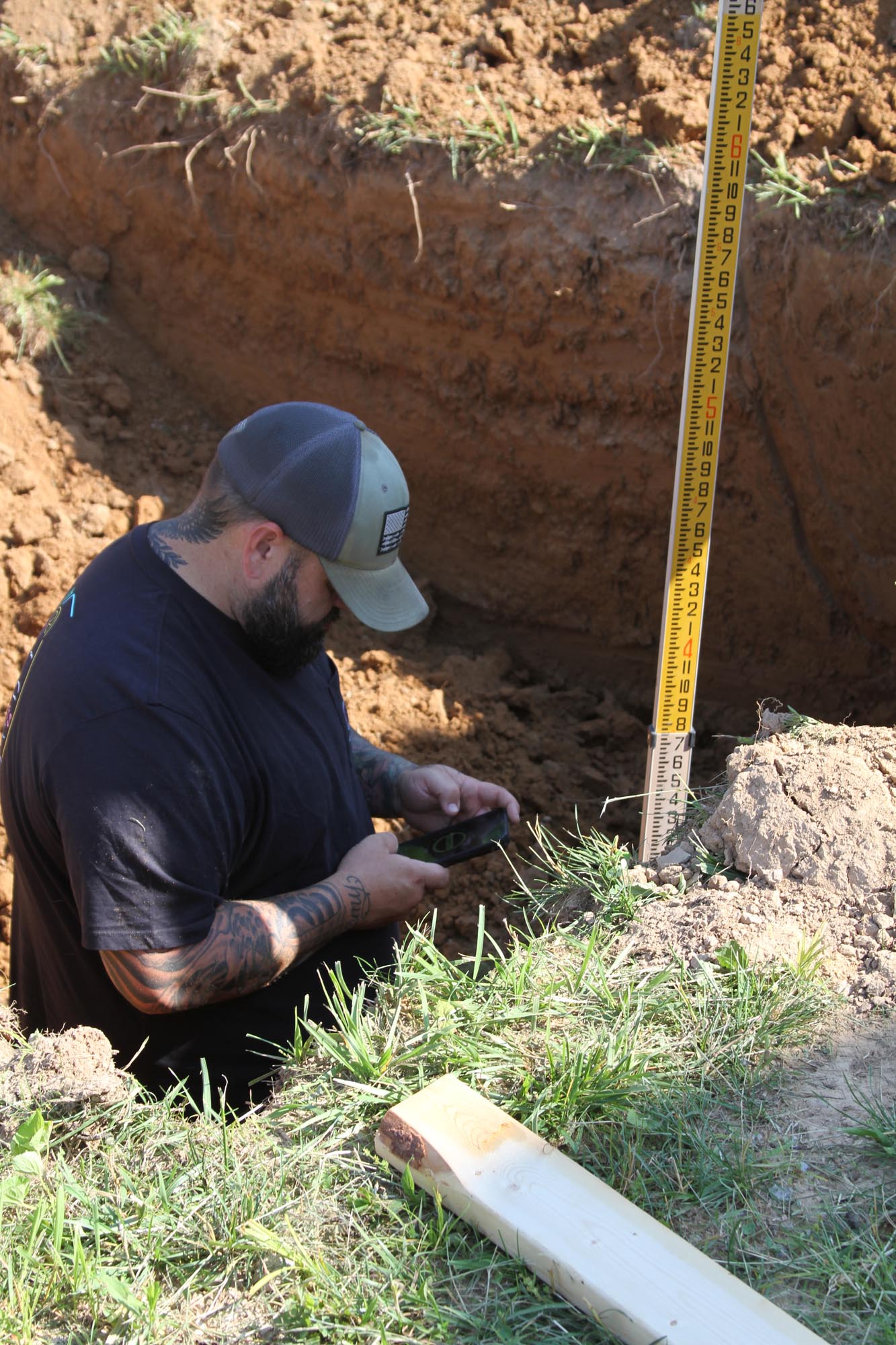
- Property Review – We review the property and look for system location, access points, visible warning signs, and any concerns related to current or future use.
- Clear Explanation – We explain what we find in plain language so you understand the condition, concerns, and next steps.
- Repair or Follow-Up Recommendations – If the septic inspection reveals a repair concern, access issue, or potential layout problem, we can help explain what may need to happen next.

Why You Should Get A Septic Inspection for Older Properties
Older properties often come with limited information. The system may have been installed decades ago, records may be incomplete, and the current owner may not know exactly where every component is located.
That is where septic inspection becomes especially valuable. If an older tank is starting to weaken, lines have been damaged, or access has been blocked over time, it is better to know before a bigger issue appears.
Older concrete tanks can sometimes develop serious problems after years in the ground. Lines can be crushed by vehicles or equipment. Tanks can become difficult to access if landscaping, structures, or site changes have been added around them. A septic inspection helps identify these concerns before they become harder to manage.
Why Choose On Grade Septic for Septic Inspection
We Understand Real-World Septic Problems
A septic inspection is not just a checkbox. We know how septic systems are affected by age, property changes, construction, vehicle traffic, and poor access.
We Explain What We Find
You should not be left with confusing answers or vague concerns. We explain the inspection findings clearly.
We Help You Think Ahead
A good septic inspection is not only about what is happening today. It can also help you avoid mistakes before buying, building, expanding, or changing the property.
We Offer Septic Repair and Installation Support
If an inspection uncovers a problem, On Grade Septic can help with practical next steps, including repair, replacement, or installation when needed.
Frequently Asked Questions About Septic Inspection
Do I need a septic inspection before buying a home?
The short answer is yes. If the home uses a septic system, a septic inspection is a smart step. It can help you understand the system before making a major purchase.
Should I get a septic inspection before building an addition or garage?
Yes. Before building, it is important to know where the septic tank, lines, and lateral field are located so the project does not block access or damage the system.
What if the septic records do not match the actual system location?
That can happen, especially on older properties. A septic inspection can help confirm where the system components actually are.
Can a septic inspection find crushed lines?
It may reveal warning signs or concerns that point to line damage. If a crushed or damaged line is suspected, further repair work may be needed.
Is septic inspection only for problem systems?
No. Septic inspection is also useful before buying, selling, building, or making major property changes.